


Basic geological research

Basic geological research forms the basis for understanding natural processes and phenomena, provides corresponding scientific explanations and enables the transfer of scientific findings into applied knowledge and projects.

That's why at GeoZS we are working to strengthen the position and importance of basic knowledge, to follow the principles of open science and to continuously increase the quality and visibility of scientific work.

Research programmes

The four research programmes are the basic framework for the implementation of scientific research:

1. Regional Geology

2. Mineral resources

3. Groundwater and geochemistry

4. Dynamic Earth

The research equipment and information system for the implementation of research programmes is provided by Infrastructure programme.

Regional Geology

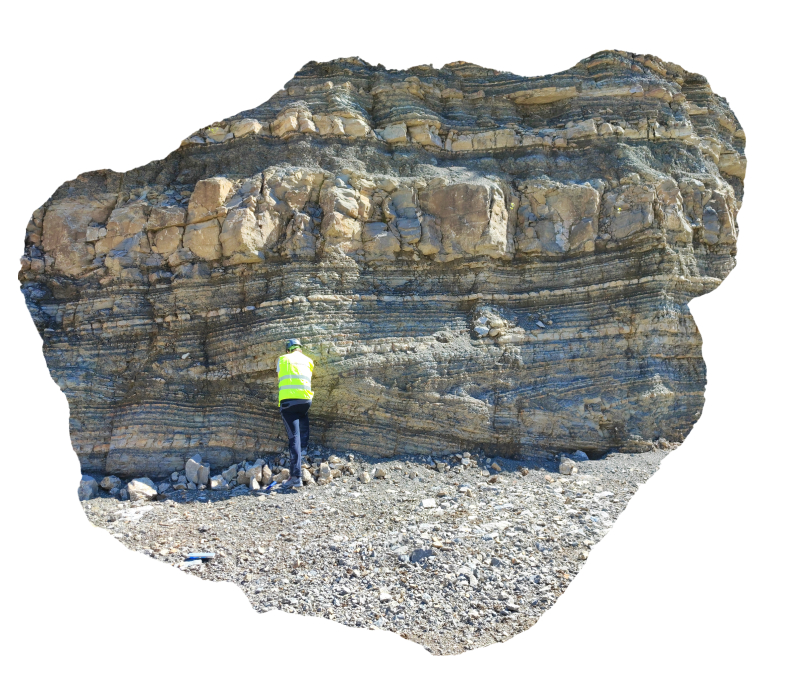
The main purpose of the programme is to continue basic geological research in Slovenia and to integrate it into the wider European context. The main objective of the basic geological research, presented in the form of modern GIS-based geological maps, profiles, 3D models and detailed specialist studies, is to understand the characteristics of the composition of the Slovenian territory. The detailed knowledge of these features allows reconstructions of the origin of the territory to be made, but even more important is the wide applicability of the results to the economy and spatial planning. Within the programme, several interlinked tasks are carried out, the common denominator of which is a regional approach to solving geological challenges.

Research focus:

  • addressing geological issues in selected regions of Slovenia,
  • regional surveys across Slovenia
  • Global research - the integration of Slovenian space into the wider geological space.

Programme Leader: dr Matevž Novak

More about the programme in the database SICRIS.

Mineral resources

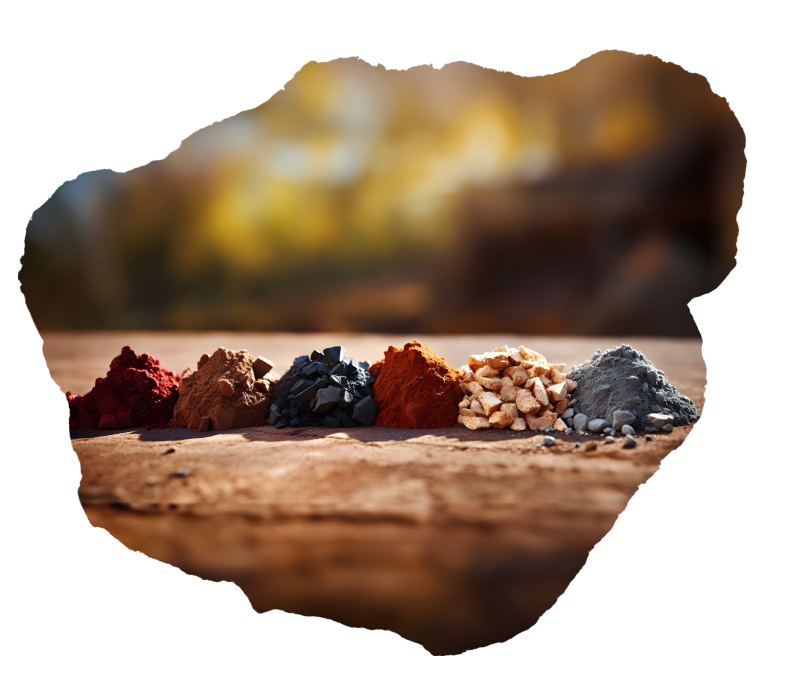
The scientific research area of the programme group covers research on mineral raw materials in their entire life cycle, from research on raw material carriers such as rocks and geological formations to research on individual deposits, research related to the extraction of raw materials, research related to the planning of sustainable supply and management of raw materials at local and national level, research on the environmental impacts of current and past extraction and processing of raw materials, recycling of mining waste and other topics related to mineral and energy raw materials. This is a wide range of research, also relevant for the functioning of the State, as a good knowledge of the raw material base and the possibilities for their exploitation is the basis for almost any sustainable and environmentally sound planning of raw material use.

Research focus:

  • lithological composition of all rock types in the Slovenian territory, their petrology, mineralogy and age,
  • Determining the genesis of sedimentary rocks and diagenetic processes in them (sedimentary environments and their dynamics),
  • rocks and unconsolidated sediments as sources of mineral raw materials (natural and technical stone - e.g. karst limestones, felsic sandstones, shales, gneisses and gneisses of the Pohorje, dolomites, and raw materials for the manufacturing industry - hornfels, lime, cement, etc.),
  • Organogenic sediments as an energy source (coal - Velenje basin, Posavje folds),
  • clays, phyllosilicates and tuffs,
  • Mesozoic limestones and dolomites (mainly Karavanke and western Slovenia),
  • clastic sedimentary rocks, mainly Tertiary in north-eastern Slovenia,
  • Metamorphic rocks along the Periadriatic suture,
  • Recent marine, lacustrine and fluvial sediments as objects of anthropogenic polarisation.

Programme Leader: doc. dr. Gorazd Žibret

More about the programme in the database SICRIS.

Groundwater and geochemistry

The main objective of the programme is to analyse and understand the impact of anthropogenic activities on the environment in relation to the natural geological features. The focus is on all the phases occurring in this environment, but in particular on the solid and liquid phases. The chemical and mineral composition, physical properties and structure of soils, rocks and sediments, and their weathering products, are the factors that determine and control the various components of the environment: its response to natural hazards, water supply, fertility, vulnerability, seismic risk, topographic formation, slope stability and susceptibility to drift, as well as its toxicity or neutralising capacity.

Research focus:

  • determining the current state of the chemical and physical properties of the geological environment,
  • identifying the distribution and spatial pattern of groundwater,
  • Identifying vulnerability and threats to the environment from impacts of natural origin, current and historical anthropogenic activities (e.g. municipal, special and radioactive waste disposal sites, mines, human settlements),
  • establishing the technical baselines for groundwater use and the hydrogeological basis for groundwater protection and use,
  • transfer of existing research methodologies and their further development in the Slovenian space, taking into account its specificities and geological diversity.

Programme Leader: dr Mateja Gosar

More about the programme in the database SICRIS.

Dynamic Earth

The Dynamic Earth programme focuses on Earth's dynamic processes and the dynamic interactions between Earth's surface processes and tectonics. A multidisciplinary team of researchers focuses on active tectonics and earthquake geology, lateral mass movements and other surface processes linked to climate change. Through our research programme, we deepen and broaden our knowledge, which is particularly designed to address the challenges in environmental studies and geologically driven hazards. The new knowledge contributes to the support and operation of civil protection services to improve earthquake and landslide safety. 

Research focus:

  • research on the identification and characterisation of active geological structures,
  • research on quantifying the activity of geological structures,
  • research on seismic history and seismogenic sources to determine earthquake hazards,
  • research on Earth's surface processes under the influence of climate change,
  • research into the processes and dynamics of slope mass movement,
  • research into the triggering factors for the formation of slope mass movements.

Programme Leader: doc. dr. Mateja Jemec Auflič

More about the programme in the database SICRIS.

Projects

Read the latest news

Events

International Scientific Conference SEGH 2026 in Ljubljana, 13-17 July 2026

The 41st International Scientific Conference on Environmental Geochemistry and Health - SEGH2026 will take place in Ljubljana from 13 to 17 July 2026. The conference will address a wide range of current global challenges in the field of environmental geochemistry and health. The main conference themes are: inorganic and organic pollutants in the geosphere, geochemistry...

Presentation of the results of the Evaluation of Research Networks (ERA-NET) - A new approach and presentation of GeoERA good practices, 20 November 2025

The Slovenian Society of Evaluators (SDE) and GeoZS cordially invite you to a presentation of the results of the ERA-NET evaluation and a good practice example. The event will take place on Thursday, 20 November at 14:00 at GeoZS, Dimičeva ulica 14, Ljubljana, in the 6th floor meeting room. The European...

Travelling Exhibition on Citizen Science, GeoZS Reading Room, 10-21 November 2025

The travelling exhibition "Discover, Collaborate, Explore: citizen science in Slovenia" gives visitors an insight into the history of citizen science, presents Slovenian citizen science projects and initiatives that have shaped the field, and shows how they can get involved in scientific research processes or initiate...