






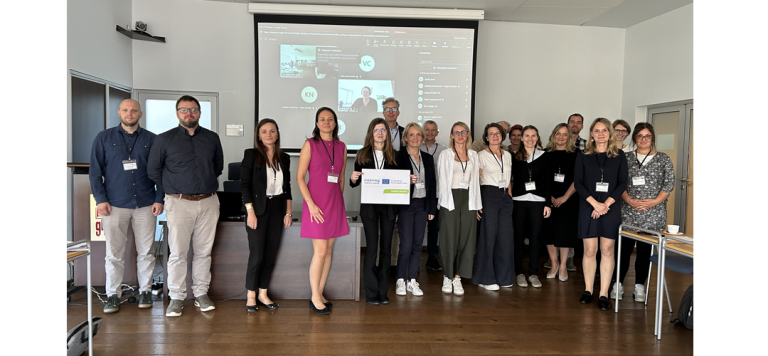
Capitan MAURICE: Proven Solutions for a More Resilient Central Europe, September 29–30, 2026
At the end of September, the kick-off meeting for the Capitan MAURICE project took place in Katowice, Poland, organized by…
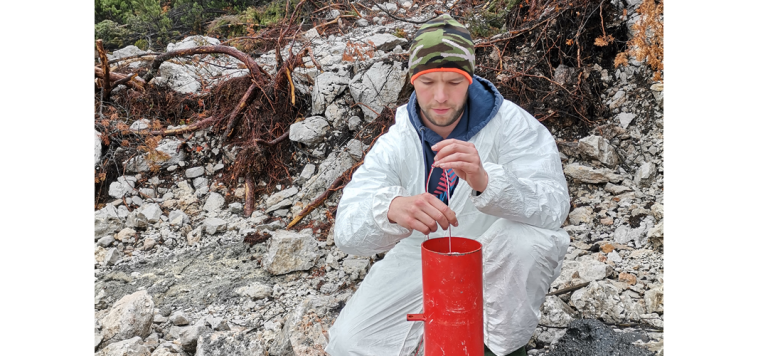
Drought After Drought
We spoke with Dr. Luka Serianz, a researcher in the Department of Groundwater—Hydrogeology, about this year’s…
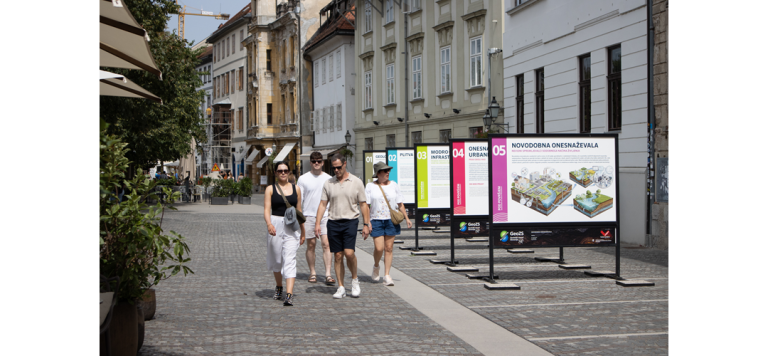
Outdoor Exhibition “Beneath the Surface—Geosciences for the Cities of the Future,” August–September 2026
To mark its 80th anniversary, GeoZS set up an outdoor exhibition titled “Under…” on Gallus Embankment in Ljubljana…
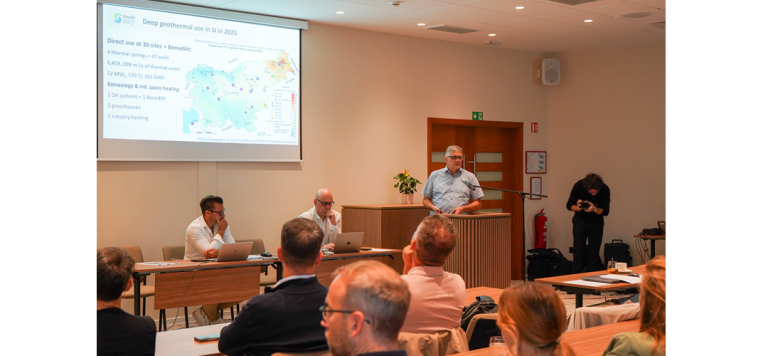
Geothermal Energy at the Congress on the Pannonian Basin in Moravske Toplice, September 10, 2026
At the conference, Andrej Lapanje, M.A., presented the current status of deep geothermal projects in Slovenia and…

Introducing Our Projects – Capitan Maurice
Capitan Maurice – Implementing Solutions for Urban Water Resource Management in Central Europe GeoZS…
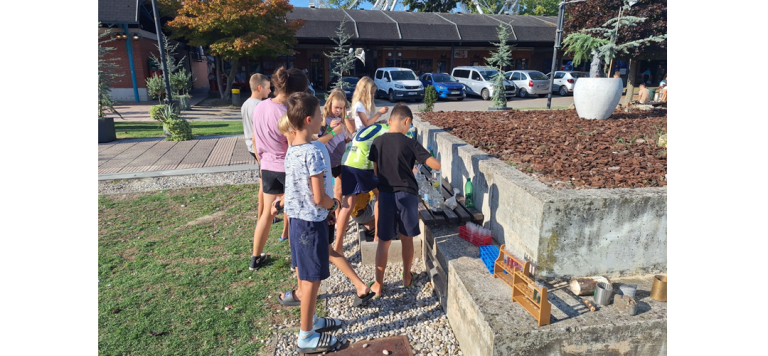
Geology Workshops for Elementary School Students, September 2 and 10, 2026
In September, we organized an event for the 5th-grade students at the Višnja Gora branch school and the Stična Elementary School…
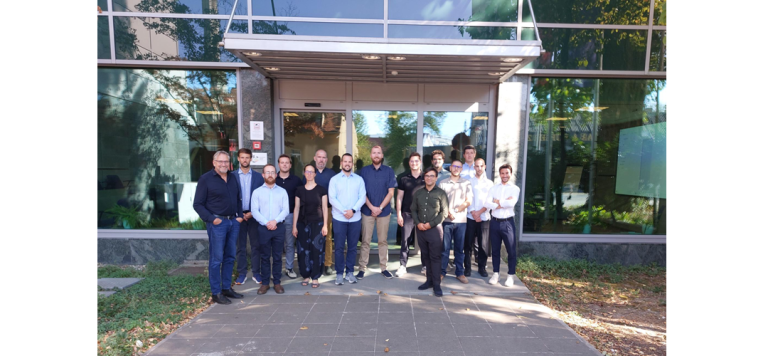
Introducing Our Projects – RISE DHC
RISE DHC — Resilient Investment Plans to Support Efficient New District Heating and Cooling Systems…
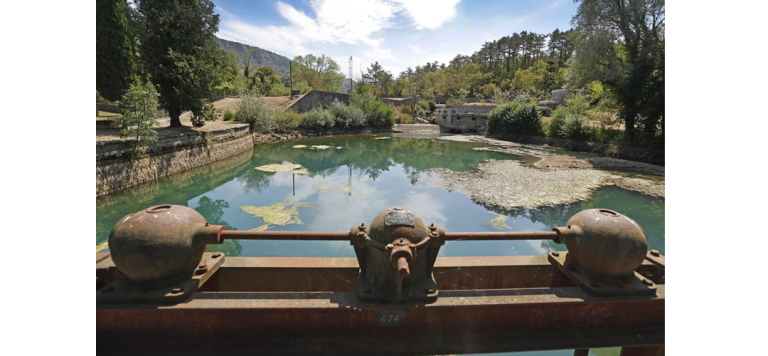
Drought After Drought, Guest Column, Delo, September 8, 2026
We invite you to read Dr. Luka Serianz’s article in the “Guest Column” section of *Delo*, September 8…
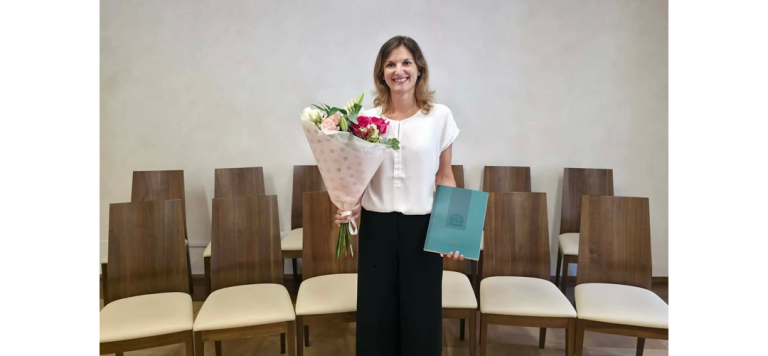
New Doctors of Science – Dr. Barbara Čeplak
On September 2, 2026, Dr. Barbara Čeplak successfully defended her doctoral dissertation titled “The Distribution of the Main…”
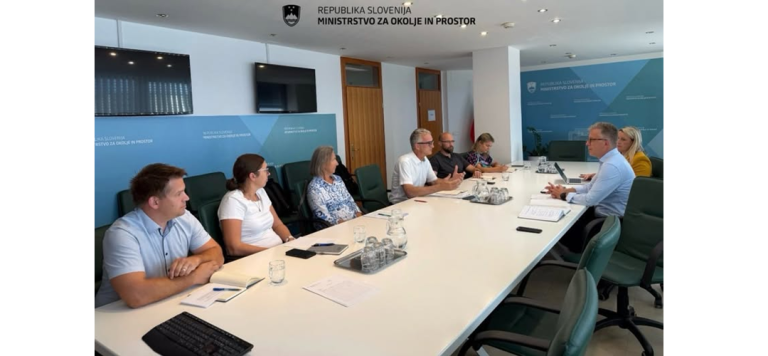
Visit by GeoZS Representatives to the Ministry of the Environment and Spatial Planning of the Republic of Slovenia, August 28, 2026
Peter Lovšin, State Secretary at the Ministry of the Environment and Spatial Planning of the Republic of Slovenia, met with…
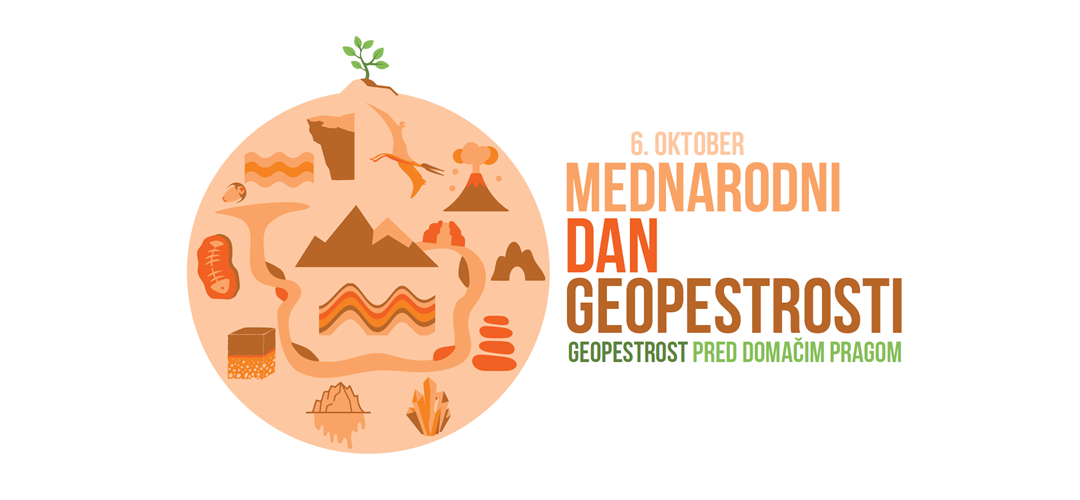
International Day of Geodiversity, October 6, 2026
In October, we will celebrate International Geodiversity Day, which is dedicated to raising awareness about geological, geomorphological, and hydrological diversity and its importance for society and sustainable development. This year’s theme, “Geodiversity On Our Doorstep,” was selected based on a Slovenian proposal that emphasizes that…
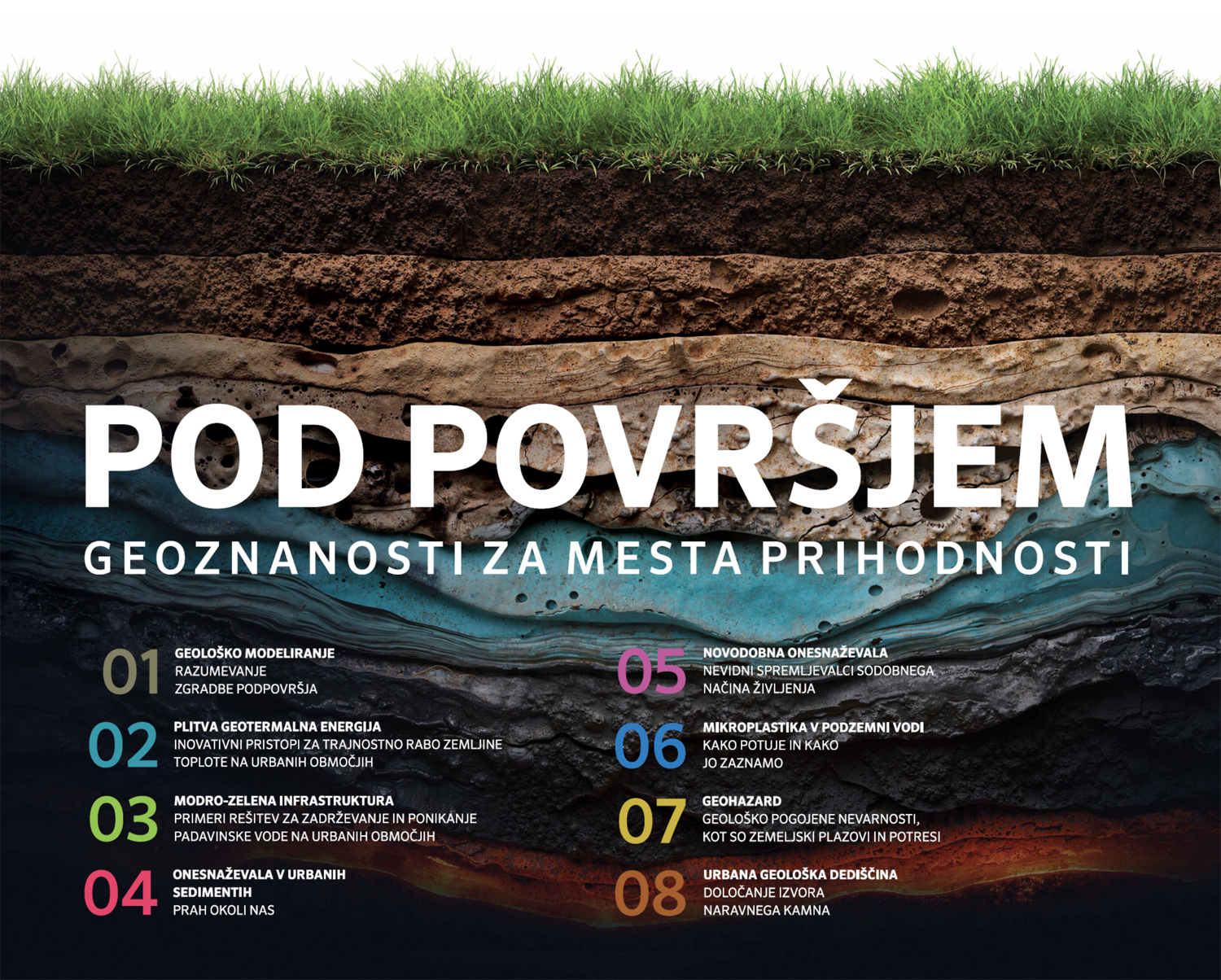
Outdoor Exhibition, Gallus Embankment, August 28–September 27, 2026
To mark its 80th anniversary, GeoZS set up an outdoor exhibition titled “Beneath the Surface—Geosciences for the Cities of the Future” on Gallus Embankment in Ljubljana. The exhibition was on display on Gallus Embankment from August 28 to September 27, 2026, and is now available to view in virtual form here. The exhibition…

8th Regional Scientific Meeting on Quaternary Geology, Čatež ob Savi, 4-6 November 2026
The 8th Regional Scientific Meeting for Quaternary Geology - 8th RMQG will take place in Čatež ob Sava from 4 to 6 November 2026. The theme of the meeting, "Early Quaternary Records", will be the focus of invited lectures and excursions.The event is an excellent opportunity to exchange knowledge, ideas and to strengthen cooperation between researchers....